Maritime Telemedicine Platform for Seafarers: Complete Healthcare Solution at Sea | SeaMedix
Every year, medical emergencies force one in five ships to divert from their course, costing an average of $180,000 per diversion. For the 1.89 million seafarers working months at sea with limited medical resources, healthcare access remains one of the maritime industry's most critical operational and safety challenges. At least 20% of these costly diversions could be prevented with modern telemedicine technology.
SeaMedix is a comprehensive healthcare platform that addresses these challenges by providing 24/7 medical support, mental health services, MLC 2006 compliance management, and fatigue monitoring for crews at sea. Developed by MariApps Marine Solutions, the platform helps shipowners reduce medical diversions, improve crew wellbeing, and maintain regulatory compliance, all through a single integrated digital healthcare solution designed specifically for the operational realities of life at sea.
What is SeaMedix? A Digital Healthcare Platform for Maritime Operations
SeaMedix is an integrated maritime healthcare solutions that combines telemedicine, mental health support, medical case management, compliance oversight, and fatigue tracking within a unified digital platform. Unlike generic telehealth services, SeaMedix is purpose built for seafarers and the unique challenges of shipboard operations.
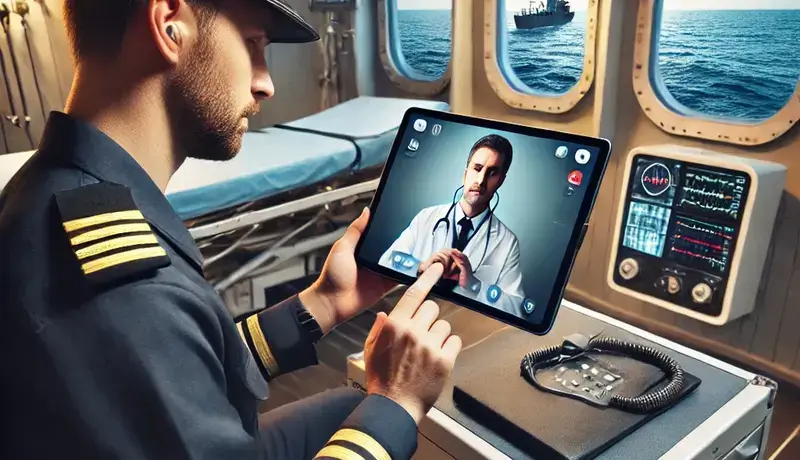
The platform connects vessel crews with shore based medical professionals trained specifically in maritime healthcare, providing immediate access to specialist consultations, mental health support, and clinical guidance regardless of the ship's location. All medical records, prescriptions, assessments, and compliance documentation are maintained within the secure PAL environment, creating a complete 360° view of crew health from shore to ship and back.
Key capabilities include:
- 24/7 video, voice, and chat telemedicine consultations with maritime trained physicians
- Confidential mental health screening, counseling, and crisis intervention services
- Pre-Employment Medical Examination (PEME) tracking and case management
- Automated compliance monitoring for MLC 2006, ISM Code, and ESG reporting
- Wearable integrated fatigue and risk tracking systems
- Wellbeing engagement tools and digital health resources
Why Do Seafarers Need Dedicated Maritime Healthcare Solutions?
The High Cost of Vessel Medical Diversions
The financial reality of medical diversions:
- Average cost per diversion: $180,000
- Includes fuel costs, port fees, schedule disruptions, cargo delays, and contractual penalties
- Frequency: 20% of vessels experience medical diversions annually
- Preventable cases with telemedicine: At least 20% of all diversions
- Potential savings per avoided diversion: $180,000
Limited Medical Resources Aboard Ships
Onboard medical Limitations:
- Restricted Personnel: Most vessels have limited or no dedicated medical staff; medical care often falls to officers with basic first aid training
- Basic equipment: Onboard medical supplies are limited to essential equipment and medications
- No specialist access: Complex diagnoses requiring specialists (cardiology, orthopedics, psychiatry) are impossible without external consultation
- Delayed intervention: Distance from shore can mean hours or days before professional medical care is accessible
- Limited diagnostic capability: Advanced imaging, laboratory testing, and specialist procedures are unavailable.
Mental Health Challenges for Seafarers
Mental health realities for maritime crews:
- Extended contracts ranging from 4-12 months without shore leave
- Social isolation and limited personal privacy
- Time zone changes and disrupted sleep patterns
- High stress operational environments
- Limited access to confidential mental health support
- Cultural stigma around discussing psychological challenges
Regulatory Compliance and Documentation Requirements
- Pre-Employment Medical Examinations (PEME) for all seafarers
- Onboard medical facilities appropriate to vessel type and voyage duration
- Access to medical consultation and treatment
- Medical record maintenance and documentation
- Shore based medical care arrangements
- Repatriation provisions for medical reasons
How does SeaMedix Work? 6 Core Maritime Healthcare Capabilities
1. How Does 24/7 Smart Telemedicine Reduce Vessel Medical Diversions?
How maritime telemedicine works:
- Conduct real-time visual assessments via video
- Review vital signs and symptoms
- Access the crew member's complete medical history within the platform
- Provide diagnostic guidance to onboard medical officers
- Issue prescriptions for onboard pharmacy dispensing
- Recommend treatment protocols appropriate to available onboard resources
- Determine whether shore based medical care is necessary or if onboard treatment is sufficient
Preventing unnecessary vessel diversions:
Continuity of care and medical records:
When a seafarer moves between ships or returns for subsequent contracts, their complete medical history travels with them in the platform, ensuring consistent care delivery and eliminating information gaps that could compromise health outcomes.
Measurable impact:
- 24/7/365 access to maritime trained medical professionals
- Average consultation initiation time: under 10 minutes
- Reduction in vessel diversions: up to 20%
- Cost savings per avoided diversion: $180,000
- Improved clinical outcomes through early intervention
2. How can ships provide mental health support for seafarers?
Proactive mental health screening:
Screenings are:
- Confidential: Results are protected and shared only with the seafarer and designated mental health professionals
- Non-stigmatizing: Presented as routine health monitoring, not crisis intervention
- Actionable: Automatically trigger follow up resources and counselor outreach when concerns are identified
Access to licensed mental health professionals:
Mental health services include:
- Individual counseling sessions
- Crisis intervention support
- Stress management techniques
- Coping strategies for isolation and separation
- Sleep hygiene guidance for shift workers
- Substance abuse support
- Reintegration counseling before sign-off
Digital mental health resources:
- Educational content about common mental health challenges
- Mindfulness and meditation exercises
- Stress reduction techniques
- Sleep optimization guidance
- Peer support connection tools
Why maritime specific mental health support matters:
This specialized understanding enables more effective therapeutic interventions and builds trust with seafarers who might otherwise be reluctant to seek mental health support.
3. How does SeaMedix help ships maintain MLC 2006 Medical Compliance?
Pre-Employment Medical Examination (PEME) management:
- Certification expiration monitoring with automated alerts
- Approved clinic verification and validation
- Medical certificate document storage and retrieval
- Examination history tracking across multiple contracts
- Bulk expiration reporting across entire fleets
Medical case management and documentation:
- Complete consultation transcripts and notes
- Prescription records and pharmacy dispensing logs
- Follow-up care documentation
- Specialist refferal records
- Shore-based treatment coordination
Compliance dashboard and reporting:
- Fleet wide PEMP compliance rates
- Upcoming certificate expirations
- Medical case status across all vessels
- Compliance gaps requiring attention
- Audit-ready documentation status
Multi-framework compliance support:
- ISM Code: Safety management system health and medical requirements
- STCW: Medical fitness standards for certification
- ESG Reporting: Crew health and wellbeing metrics for environmental, social, and governance reporting
- Insurance Requirements: Medical documentation for crew insurance and P&I club requirements
Measurable compliance benefits:
- 100% MLC 2006 medical compliance support
- Automated PEME expiration tracking across unlimited crew members
- Instant audit-ready documentation generation
- Reduced compliance administrative time by 60%+
- Elimination of manual record compilation
4. How do maritime operators monitor and prevent crew fatigue?
Data-driven fatigue monitoring:
- Wearable devices: Sleep quality, duration, heart rate variability, activity levels
- Work-rest hour logs: Compliance with mandatory rest periods
- Self-reported assessments: Subjective fatigue ratings and alertness scores
- Operational data: Watch schedules, shift patterns, voyage demands
Early warning indicators:
- Declining sleep quality over multiple days
- Inadequate rest periods between watches
- Self-reported fatigue scores trending upward
- Physiological indicators from wearable showing stress
Risk visibility for shore based teams:
- Identify vessels with elevated fatigue risks
- Compare fatigue patterns across the fleet
- Assess whether manning levels or voyage schedules create systemic fatigue issues
- Intervene with crew rotation, schedule adjustments, or additional manning
Integration with safety management:
Privacy and appropriate use:
- Individual fatigue data is shared only with vessel command and designated medical personal
- Aggregated, anonymized data is provided to fleet managers for pattern analysis
- Data is used for health and safety purposes, not punitive action
- Crew members maintain visibility into their own fatigue profiles
5. What is the 360° passenger view and How does it improve healthcare coordination?
Shore-to-ship data integration:
Ship-to-shore data synchronization:
All medical events occurring aboard vessels like consultations, treatments, prescription, injuries, illnesses are synchronized back to shore based systems in real time (when connectivity permits) or through batch updates. This ensures shore based medical teams, crewing departments, and compliance managers have current visibility into crew health status.
Integration with crewing and HR systems:
- Automatic PEME status updates in crew planning systems
- Medical fitness verification during assignment processes
- Health-based crew rotation recommendations
- Repatriation coordination for medical reasons
External clinic and provider integration:
- Electronic transmission of PEME results and certificates
- Specialist referral coordination
- Shore-based treatment record integration
- Pharmacy prescription fulfillment
Benefits of 360° health visibility:
- Elimination of fragmented medical records
- Improved clinical decision making with complete health histories
- Reduced administrative burden from manual data entry
- Enhanced compliance through automatic record updates
- Better coordination between ship and shore medical teams
6. What wellbeing and Engagement tools does SeaMedix provide?
Health education and digital resources:
- Nutrition guidance for shipboard diets
- Exercise routines appropriate for confined spaces
- Injury prevention techniques for maritime work
- Communicable disease prevention aboard ships
- Health screenings and self care guidance
Wellness challenges and participation programs:
- Step challenges and physical activity competitions
- Healthy eating programs
- Smoking cessation support
- Weight management initiatives
- Team-based wellness competitions between vessels
Health tracking and personal insights:
- Weight, blood pressure, glucose levels
- Physical activity and exercise logs
- Sleep quality and duration
- Mood and stress levels
- Medication adherence
Communication and engagement tools:
- Peer support forums (moderated for appropriate content)
- Family communication resources
- Cultural and recreational content
- Recognition programs for health achievements
Value beyond crisis intervention:
- Normalizes the platform as a daily health resource, not just crisis tool
- Creates positive associations with health management
- Encourages early help-seeking behavior before issues become critical
- Builds health literacy among crew populations
What Maritime Telemedicine Plans are Available for Different Fleet Sizes?
Core Healthcare Plan:
- 24/7 telemedicine consultations (video, voice, chat)
- Basic medical record management
- PEME tracking and expiration alerts
- MLC 2006 compliance documentation
- Single vessel or small fleet deployment
Wellbeing plus plan:
- All core healthcare features
- Full mental health screening and counseling access
- Wellbeing engagement tools and digital resources
- Health education content library
- Wellness program management
- Multi-vessel fleet deployment support
Full Fleet Enterprise Plan:
- All wellbeing plus features
- Fatigue and risk tracking with wearable integration
- Advanced compliance dashboards and reporting
- Full 360° data integration with existing systems
- Dedicated account management and support
- Custom configuration and workflow design
- API access for enterprise integration
- Unlimited vessel deployment
Scalable implementation approach:
- Lower initial investment for proof of concept deployment
- Gradual crew and shore staff adoption
- Budget aligned expansion as value is demonstrated
- Flexibility to adjust service levels based on operational changes
How does SeaMedix compare to traditional maritime healthcare?
Traditional Maritime Healthcare vs. SeaMedix Platform
| Aspect | Traditional Approach | SeaMedix Platform |
|---|---|---|
| Medical Access | Limited to onboard medical officer capabilities; emergency diversions for specialist needs | 24/7 access to shore-based physicians and specialists via telemedicine |
| Diversion Rate | 20% of vessels annually; average cost $180,000 per diversion | Up to 20% reduction in diversions; potential savings of $36,000+ per vessel annually |
| Mental Health Support | Reactive crisis intervention; limited confidential access | Proactive screening, confidential counseling, ongoing support throughout voyage |
| Medical Records | Fragmented across vessels, clinics, shore offices; manual compilation for audits | Unified digital records accessible from shore and ship; instant audit documentation |
| Compliance Management | Manual PEME tracking; spreadsheet-based certificate monitoring; reactive compliance | Automated expiration alerts; real-time compliance dashboards; proactive management |
| Fatigue Monitoring | Work-rest hour logs; subjective assessments | Data-driven monitoring with wearables, physiological indicators, early warning alerts |
| Cost Structure | High variable costs from diversions, emergencies, reactive medical care | Predictable subscription pricing; reduced diversion costs; preventive care focus |
| Shore-Ship Coordination | Phone, email, fragmented communication; information delays | Real-time data synchronization; 360° health visibility; integrated platform |
| Crew Wellbeing | Limited resources; individual responsibility | Comprehensive wellbeing programs, engagement tools, health education |
| Scalability | Requires proportional infrastructure investment | Software platform scales across unlimited vessels with marginal cost |
Who should use SeaMedix Maritime Telemedicine?
Ideal users include:
Cargo Ship Operators: Container ships, bulk carriers, tankers, and general cargo vessels operating international routes benefit from 24/7 medical access during extended voyages, reduced diversion risks, and comprehensive compliance management for multinational crews.Cruise Lines: Passenger ship operators require robust medical capabilities to serve both crew and passengers, mental health support for crew members during back to back contracts, and comprehensive health documentation for regulatory compliance and corporate responsibility reporting.
Offshore vessel operators: Platform supply vessels, offshore support vessels, and offshore wind service ships operate in remote locations with limited shore access. SeaMedix provides critical medical connectivity and fatigue monitoring for crews in demanding operational environments.
Fishing Fleets: Commercial fishing vessels face some of the highest occupational risks and most limited medical resources. Maritime telemedicine provides essential medical safety nets for crews operating in dangerous conditions far from shore.
Ship Management Companies: Technical and crew managers responsible for multiple vessels across different owners benefit from centralized fleet health visibility, standardized compliance processes, and consistent healthcare delivery across diverse operations.
Navel and Government Vessels: Military auxiliaries, coast guard vessels, research ships, and government fleet operations can deploy SeaMedix to enhance existing medical capabilities while maintaining operational security and mission readiness.
Yacht and Superyacht Operations: Private and charter yacht operators seeking premium crew healthcare, discreet mental health support, and comprehensive health documentation for high value clients and crew.
Any maritime operator seeking to:
- Reduce vessel medical diversion frequency and costs
- Improve crew health outcomes and wellbeing
- Streamline MLC 2006 and maritime health compliance
- Provide modern mental health support for seafarers
- Implement data driven fatigue and risk monitoring
- Enhance corporate responsibility and ESG performance
- Attract and retain quality crew through superior healthcare benefits
Ready to reduce vessel diversions and improve crew health?
Website: www.seamedix.com


Comments
Post a Comment